Rinse It or Lose It: Saltwater Reel Care in Five Minutes
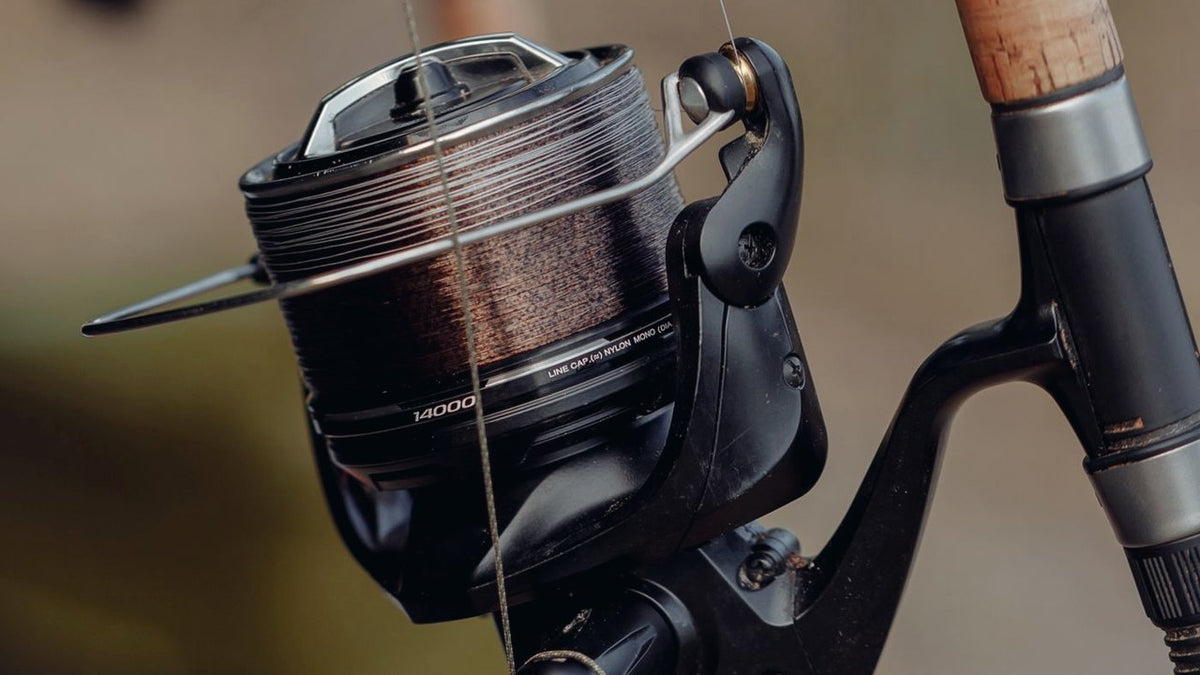
Five minutes at the end of every saltwater session is the difference between a reel that lasts two seasons and one that lasts ten. Most reels are not worn out — they are salted out.
A modern spinning reel is a genuinely well-made object. Sealed bearings, machined gears, drag washers that cost real money. And almost every one of them dies the same way: not from a big fish, but from salt crystals forming inside it overnight and being ground into the tolerances the next morning. The fix is boring, it takes five minutes, and it is the highest-return habit in the sport.
What salt actually does
When saltwater evaporates it leaves crystals behind. Those crystals are hard, they are abrasive, and they attract moisture from the air, which means they keep working even on the days you are not fishing. Left in place they do three things: they turn grease into grinding paste, they pit plated surfaces, and they swell inside tight clearances until a reel that felt smooth starts to feel notchy. Once you can feel it, the damage is usually done.
The five-minute routine
- Rinse before you pack up, not when you get home. Fresh water on the reel while the salt is still wet and loose works far better than trying to dissolve dried crystals eight hours later. Keep a bottle of fresh water in the car.
- Use a gentle spray, never a jet. A pressure washer or a hard hose jet forces salt and water past the seals and into the body. You want a soft shower, lukewarm if you have it — hot water can soften some greases and cold water does not dissolve salt as well.
- Work the reel while you rinse. Turn the handle slowly through ten or fifteen revolutions, and open and close the bail a few times. This is what actually moves water past the line roller and the bail arm pivots, which are the two places that seize first.
- Rinse the spool and the line. Line holds salt like a sponge. With the drag backed off, hold the reel under the flow and let the spool turn as line pays out, then reel it back on under tension. Ten metres is plenty.
- Shake it out and dry it open. Shake the reel gently to clear water from the recesses, wipe the outside with a cloth, back the drag right off, and leave it somewhere with air movement — never sealed in a bag or a box while wet.
Backing the drag off when you store a reel is free, takes two seconds, and is the single most commonly skipped step in reel care. Drag washers last dramatically longer when they are not stored compressed.
What not to do
- Do not dunk the reel in a bucket. Submerging it — especially in soapy water — can push contaminated water deep into the body where it will sit for weeks.
- Do not use detergent. It strips the grease you are trying to protect. Fresh water is enough for a rinse; detergent is for a full strip-down service, which is a different job.
- Do not blast it with compressed air. It can drive water past seals and it can spin bearings fast enough to damage them dry.
- Do not put it away wet. A wet reel in a closed tackle box is how corrosion starts under the spool where you will not see it for months.
Once a season: the ten-minute service
Rinsing handles the outside. Twice a year — or every twenty sessions, whichever comes first — do the rest:
- Remove the spool, wipe the spindle clean and put a thin film of grease on it. This stops the spool seizing to the shaft, which is the most common reason a reel becomes unusable.
- Put one drop of oil on the line roller and work it in. A seized line roller twists your line and costs you casting distance for months before anyone notices.
- Check the handle knob and the bail arm pivot for grit, and wipe the rod’s reel seat while you are there.
- Check the line. Braid that has gone pale and fuzzy has lost strength; cut back a few metres or replace it.
When to send it in
Some things are not a home job. If the drag stutters when you pull line under load, if there is roughness you can feel through the handle, or if the reel has been fully submerged in saltwater — strip and service, or send it in. Our reels carry a two-month warranty, and the fastest way to keep that warranty meaningful is to rinse the reel the same day it went in the water.
The habit is simple: rinse wet, not dry; gentle, not hard; dry open, drag backed off. Do that and the reel will outlast the rod it is sitting on.